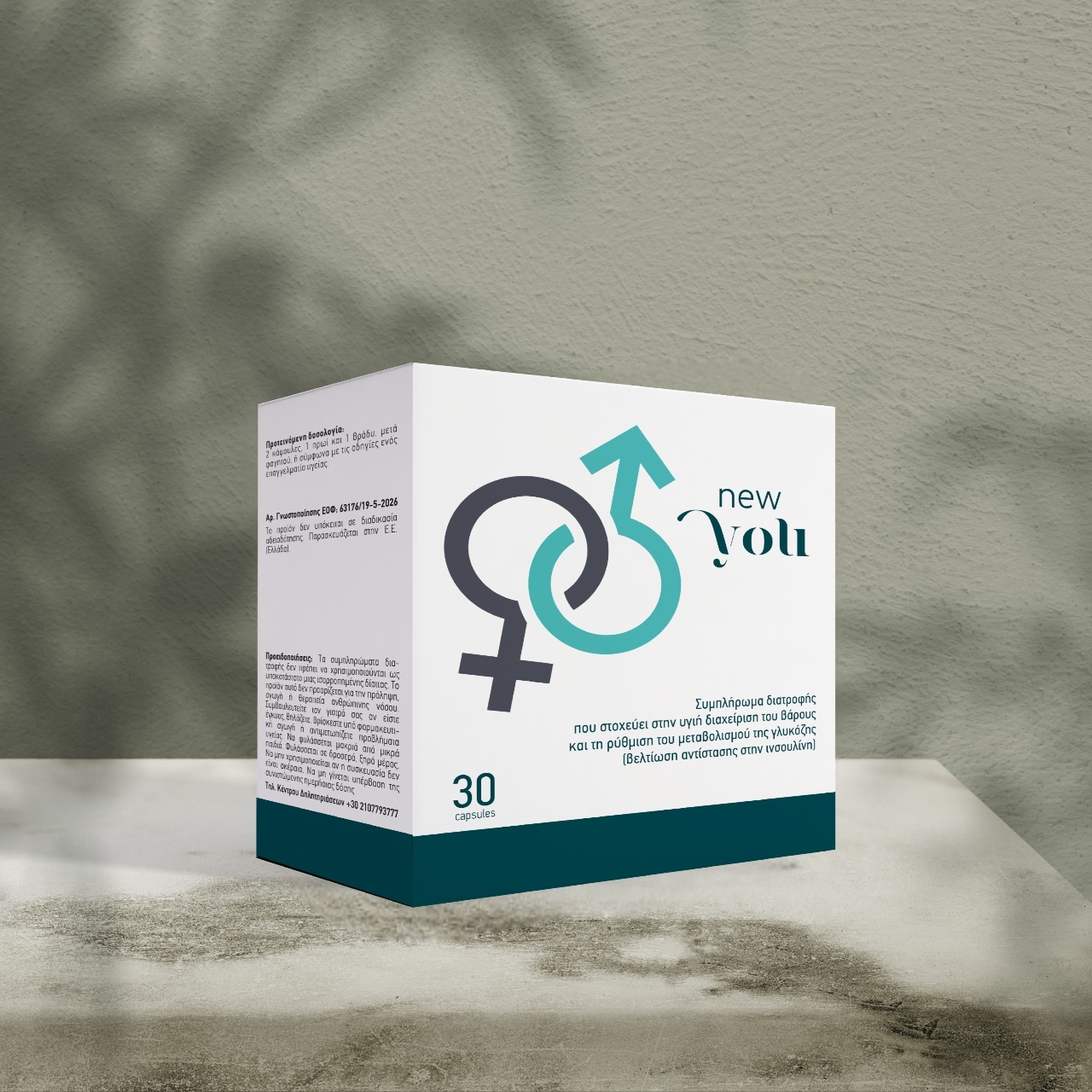
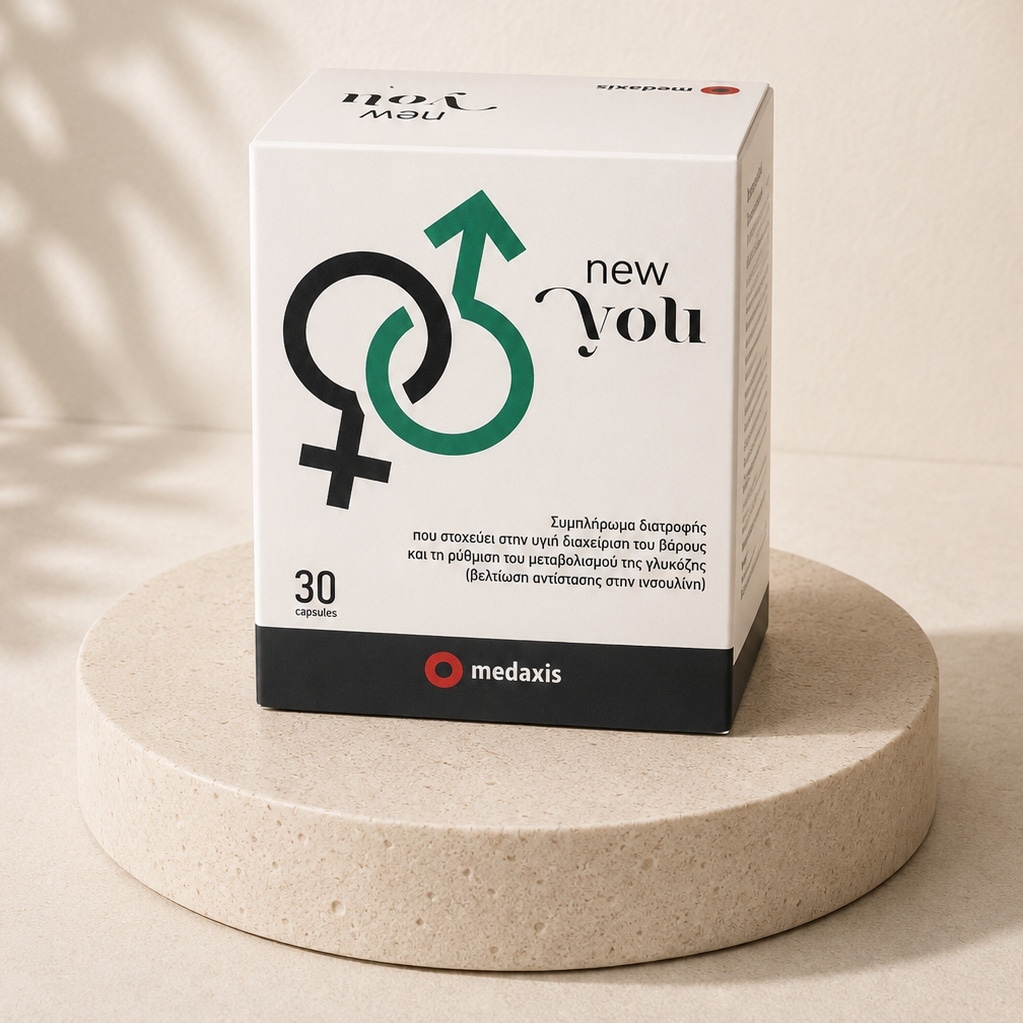
New You
A food supplement designed to support:
- Healthy weight management
- Regulation of glucose metabolism (improvement in insulin resistance)
New You contains N-acetylcysteine, alpha-lipoic acid and berberine extract.
€30.00 inc VAT 5%
Berberine belongs to the class of isoquinoline alkaloids and is derived from various plants, such as Berberis aristata. Study findings include reports of antihypertensive, antidepressant, anxiolytic, anti-inflammatory, neuroprotective and analgesic activity [1]. Much of the scientific interest focuses on berberine’s potential contribution to conditions such as dyslipidemia, type 2 diabetes and obesity, because of its ability to activate AMP-activated protein kinase (AMPK), an enzyme with a key role in metabolic regulation. A systematic evaluation of berberine’s effects on obesity management and its associated metabolic consequences identified a reduction in blood glucose through inhibition of alpha-glucosidase, regulation of the gut microbiota, and evidence of improved cholesterol metabolism [2].
Positive findings have also been reported following berberine administration for the management of Polyendocrine Metabolic Ovarian Syndrome (PMOS), formerly known as Polycystic Ovary Syndrome (PCOS), particularly in improving insulin resistance, which is inherently linked to this syndrome [3,4].
N-acetylcysteine (NAC) is the form of the amino acid cysteine produced through acetylation. Cysteine is, among other things, a precursor of glutathione, contributes to keratin synthesis and is an essential source of sulphur in the body. N-acetylcysteine has been studied in research into the management of numerous conditions, including chronic obstructive pulmonary disease, cystic fibrosis, metabolic syndrome and cardiovascular disease [5]. Its contribution to glucose metabolism has also been reported, through improvements in insulin resistance and peripheral glucose uptake [6].
A meta-analysis of randomized controlled trials on the effects of NAC on metabolic parameters in women with Polyendocrine Metabolic Ovarian Syndrome identified a reduction in fasting glucose levels following supplementation compared with metformin, and a reduction in total cholesterol levels compared with placebo groups. It also noted limitations, such as the small number of studies that included a placebo group and the relatively short duration of NAC administration [7].
ALA (alpha-lipoic acid) is an antioxidant naturally synthesized in the body and also found in foods such as red meat and leafy vegetables, including spinach and broccoli. ALA has multiple actions in the body, including acting as a cofactor for enzymes and enzyme complexes such as pyruvate dehydrogenase (PDH) and alpha-ketoglutarate dehydrogenase (α-KGDH), thereby participating in the citric acid (Krebs) cycle. Additional properties under scientific investigation include its antioxidant activity combined with its water- and fat-solubility, its contribution to the regeneration of other antioxidants such as vitamins C and E, coenzyme Q10 and glutathione, and its ability to bind heavy metals as a chelating agent. ALA also appears to affect the insulin/PI3K/Akt pathway (a key cell signaling pathway that regulates glucose metabolism, cell growth and survival), leading to increased insulin sensitivity and glucose metabolism.
ALA has been proposed in research for the management of PMOS symptoms, often in combination with other substances such as myo-inositol. A relevant review of the literature on its effects in this syndrome reported findings relating to support for the hormonal profile, improved menstrual frequency and the management of insulin resistance [8].
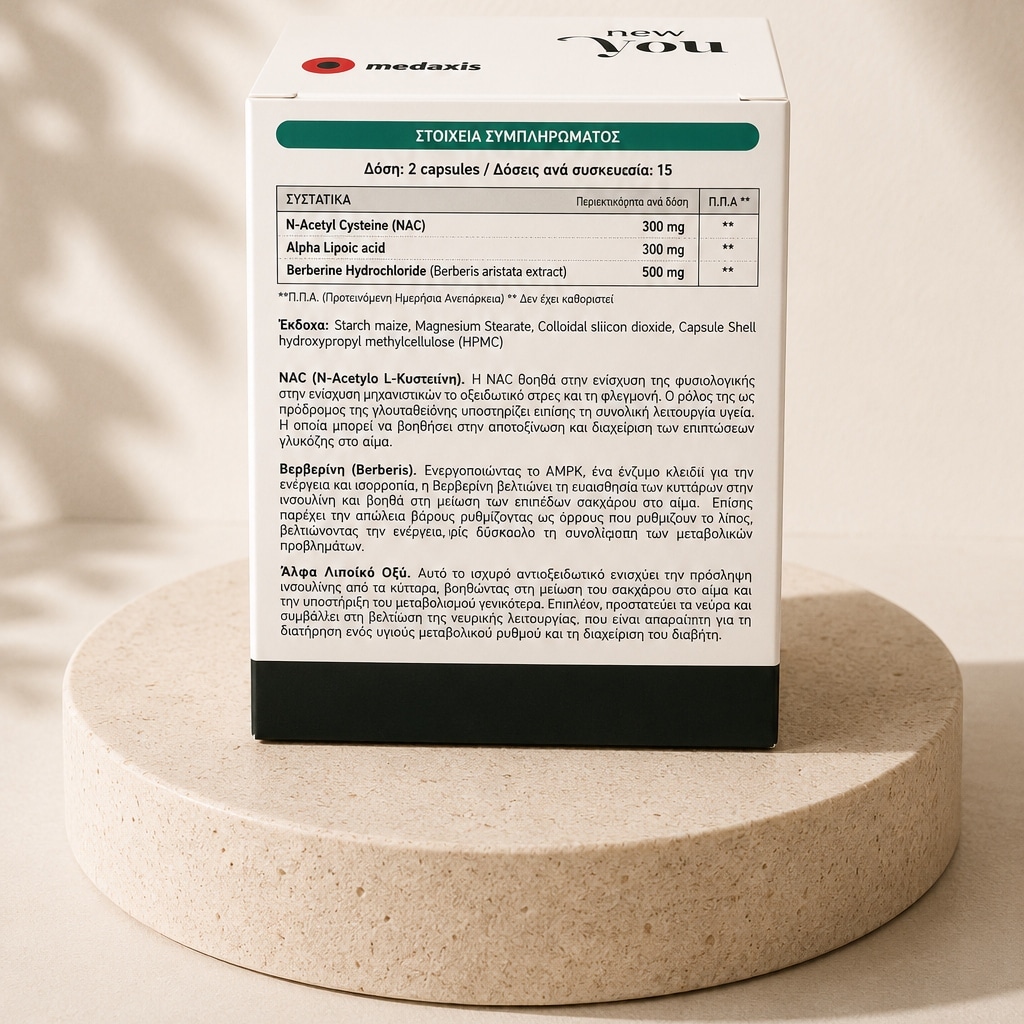
SUPPLEMENT FACTS
Dose: 2 capsules / Doses per container: 15
| INGREDIENTS | Amount per dose | NRV ** |
| N-Acetyl Cysteine (NAC) | 300 mg | ** |
| Alpha Lipoic acid | 300 mg | ** |
| Berberine Hydrochloride (Berberis aristata extract) | 500 mg | ** |
**NRV (Nutrient Reference Value) * Not established
Recommended Dosage:
Take two capsules, one in the morning and one in the evening, after food, or as directed by a healthcare professional.
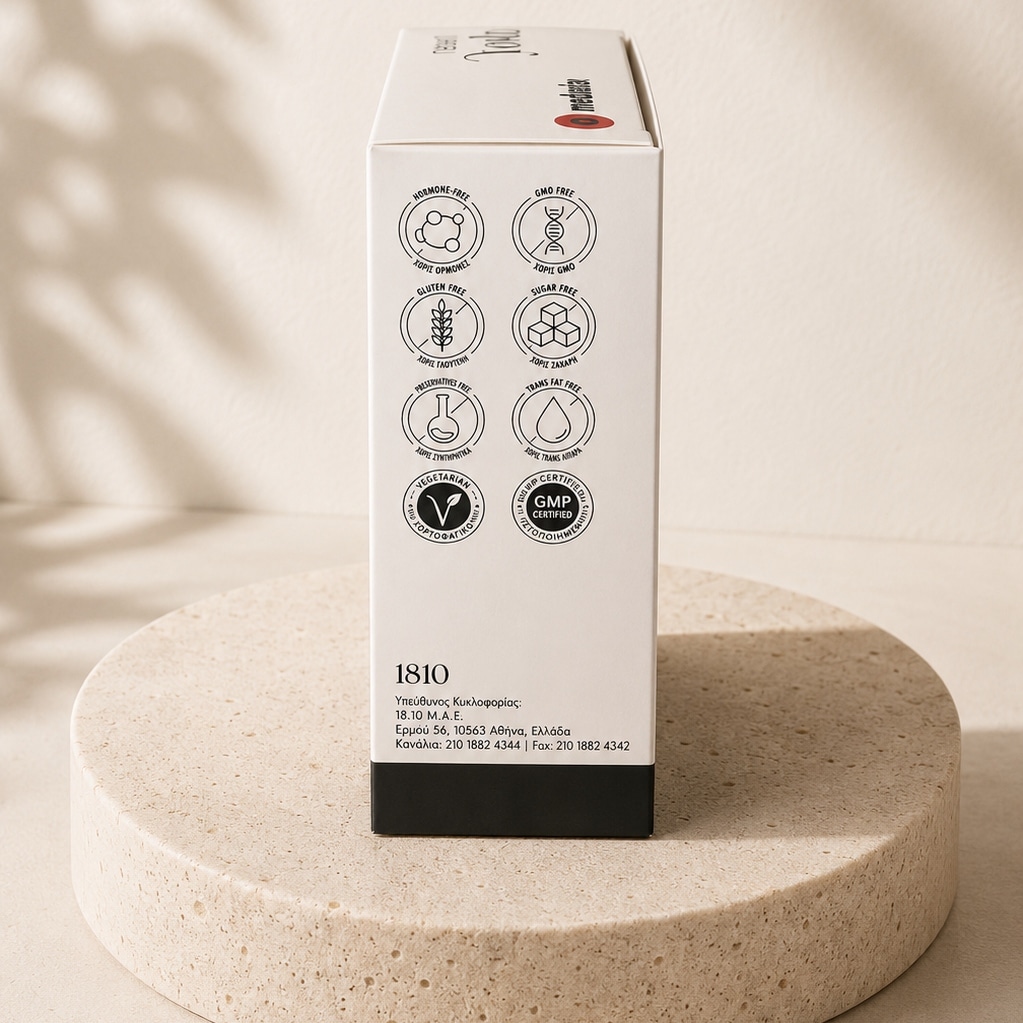
Precautions: None. Suitable for vegans. Contains no sugar, yeast, salt, gluten, grains, dairy products or colorings.
Warnings: Food supplements should not be used as a substitute for a balanced diet. This product is not intended to prevent, treat or cure human disease. Consult your doctor if you are pregnant, breastfeeding, taking medication or have health problems. Keep out of reach of young children. Store in a cool, dry place. Do not use if the seal around the cap is broken or missing. Do not exceed the recommended daily dose.
Poison Control Centre telephone: 210 7793777
Excipients: Maize starch, magnesium stearate, colloidal silicon dioxide, capsule shell: hydroxypropyl methylcellulose (HPMC).
EOF Notification Number: 63176/19-5-2026
Manufactured in the EU (Greece). The product is not subject to a licensing procedure.

References
- Kumar A, Ekavali, Chopra K, Mukherjee M, Pottabathini R, Dhull DK. Current knowledge and pharmacological profile of berberine: An update. Eur J Pharmacol. 2015 Aug 15;761:288-97. doi: 10.1016/j.ejphar.2015.05.068. Epub 2015 Jun 16. PMID: 26092760.
- Ilyas Z, Perna S, Al-Thawadi S, Alalwan TA, Riva A, Petrangolini G, Gasparri C, Infantino V, Peroni G, Rondanelli M. The effect of Berberine on weight loss in order to prevent obesity: A systematic review. Biomed Pharmacother. 2020 Jul;127:110137. doi: 10.1016/j.biopha.2020.110137. Epub 2020 Apr 27. PMID: 32353823
- Rondanelli M, Infantino V, Riva A, Petrangolini G, Faliva MA, Peroni G, Naso M, Nichetti M, Spadaccini D, Gasparri C, Perna S. Polycystic ovary syndrome management: a review of the possible amazing role of berberine. Arch Gynecol Obstet. 2020 Jan;301(1):53-60. doi: 10.1007/s00404-020-05450-4. Epub 2020 Feb 14. PMID: 32060683; PMCID: PMC7028834.
- Zhang SW, Zhou J, Gober HJ, Leung WT, Wang L. Effect and mechanism of berberine against polycystic ovary syndrome. Biomed Pharmacother. 2021 Jun;138:111468. doi: 10.1016/j.biopha.2021.111468. Epub 2021 Mar 16. PMID: 33740526.
- Lasram MM, Dhouib IB, Annabi A, El Fazaa S, Gharbi N. A review on the possible molecular mechanism of action of N-acetylcysteine against insulin resistance and type-2 diabetes development. Clin Biochem. 2015 Nov;48(16-17):1200-8. doi: 10.1016/j.clinbiochem.2015.04.017. Epub 2015 Apr 25. PMID: 25920891.
- Tenório, M.C.d.S.; Graciliano, N.G.; Moura, F.A.; Oliveira, A.C.M.d.; Goulart, M.O.F. N-Acetylcysteine (NAC): Impacts on Human Health. Antioxidants 2021, 10, 967. https://doi.org/10.3390/antiox10060967
- Liu J, Su H, Jin X, Wang L, Huang J. The effects of N-acetylcysteine supplement on metabolic parameters in women with polycystic ovary syndrome: a systematic review and meta-analysis. Front Nutr. 2023 Sep 29;10:1209614. doi: 10.3389/fnut.2023.1209614. PMID: 37841396; PMCID: PMC10573309.
- Guarano, A.; Capozzi, A.; Cristodoro, M.; Di Simone, N.; Lello, S. Alpha Lipoic Acid Efficacy in PCOS Treatment: What Is the Truth? Nutrients 2023, 15, 3209. https://doi.org/10.3390/nu15143209